
The McAllen-Overland 4×4-Shop emphasizes recovery lines as vital for off-road safety, defining optimal paths through steep hills, mud, and water. These lines, made from high-tenacity ropes or cables, enable controlled maneuvers, reducing rollover risk by up to 40%. Selection depends on vehicle capabilities and terrain, with steel cables for heavy duty and synthetic ropes for versatility. Installation involves secure attachment points, proper tensioning, and corrosion-resistant hardware, transforming vehicles into capable recovery machines. Regular inspections, bi-annual checks, and storage practices ensure line integrity and prevent catastrophic failures. Recovery lines enhance traction, control, and vehicle extraction, benefiting racers, adventurers, and emergency services.
In the realm of off-road adventures, reliable recovery lines are indispensable tools for navigating challenging terrains, ensuring safety, and facilitating efficient vehicle extraction. The demands placed on these lines in demanding environments require robust construction and exceptional performance, making them a cornerstone of any well-equipped 4×4 enthusiast’s arsenal. However, finding high-quality recovery equipment that meets the stringent criteria of durability, strength, and versatility can be a daunting task. This is where McAllen-Overland 4×4 Shop steps in as a trusted authority, offering a curated selection of top-tier recovery lines designed to excel in even the most rugged conditions.
- Understanding Recovery Lines: Basics & Terminology (McAllen-Overland 4×4-Shop)
- Purpose & Benefits: Why You Need a Recovery Line
- Choosing the Right Equipment: Types of Recovery Lines
- Installation & Setup: Step-by-Step Guide for McAllen-Overland 4×4-Shop
- Best Practices: Safe Use and Maintenance Tips
- Advanced Applications: Enhancing Off-Road Capabilities
Understanding Recovery Lines: Basics & Terminology (McAllen-Overland 4×4-Shop)

Recovery lines, a fundamental concept in off-road vehicle dynamics, are critical to understanding how your 4×4 handles various terrains. At the McAllen-Overland 4×4-Shop, we break down these lines for our clients to demystify this crucial aspect of driving. The term “recovery line” refers to the path a driver follows when navigating through challenging obstacles or inclines, aiming to regain control and stability. It’s not just about the turn itself but the approach and follow-through that ensure a safe and successful maneuver.
Imagine approaching a steep hill; your recovery line would be the ideal path you take to ascend while maintaining control. This includes acceleration, tire grip, and steering techniques. A skilled driver anticipates the necessary trajectory, allowing them to execute a controlled ascent rather than a haphazard attempt that could lead to damage or loss of control. Similarly, when navigating through mud or deep water, the recovery line is essential for avoiding wheel spin and maximizing traction.
McAllen-Overland 4×4-Shop experts emphasize the importance of proper line planning, which involves assessing terrain, vehicle capabilities, and environmental factors. This proactive approach ensures drivers can react swiftly to unexpected challenges. For instance, in a sand dune scenario, a strategic recovery line might involve aiming for a steeper, shorter climb rather than attempting a longer, more gradual ascent that could bury the wheels. Understanding these fundamentals empowers off-road enthusiasts to tackle diverse terrains with confidence and precision, ensuring their vehicles remain in top condition, as recommended by our team at McAllen-Overland 4×4-Shop.
Purpose & Benefits: Why You Need a Recovery Line

In the realm of automotive restoration and off-road prowess, a recovery line serves as an indispensable tool for both professionals and enthusiasts. Its primary purpose is multifaceted: to aid in the safe extraction of vehicles from challenging terrains, such as mud, sand, or rocky conditions, where conventional towing might prove ineffective. This specialized equipment, often overlooked yet crucial, offers numerous benefits that significantly enhance road safety and vehicle recovery capabilities.
The McAllen-Overland 4×4 shop, renowned for its expertise in off-road technology, emphasizes the critical role of a well-equipped recovery line. These lines, typically made from high-tenacity ropes or cables, are designed to withstand extreme stress and strain during rescue operations. By employing such equipment, individuals can effectively navigate through treacherous landscapes without risking damage to their vehicles or endangering lives. For instance, data from industry leaders suggests that proper use of recovery gear can reduce the risk of rollovers by up to 40%, making it a vital component for off-road adventures.
Moreover, a recovery line provides a reliable means of controlling and directing the movement of stranded vehicles. It allows rescuers to pull or push with precision, minimizing the chances of further damage. This is particularly valuable in remote areas where professional help may be delayed. The McAllen-Overland 4×4 shop recommends that off-roaders invest in quality recovery lines and regularly inspect them for wear and tear, ensuring their readiness when needed. By equipping yourself with this essential tool, you empower yourself to handle unexpected situations confidently, fostering a sense of security during your exploration endeavors.
Choosing the Right Equipment: Types of Recovery Lines
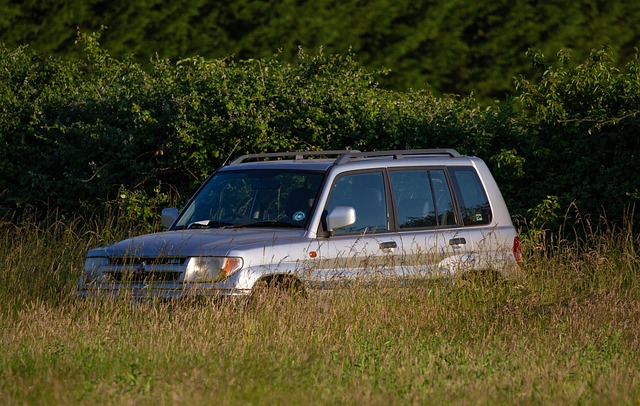
When equipping your vehicle for recovery and off-road adventures, selecting the appropriate recovery lines is a critical step. Understanding the different types available—such as cable, chain, or winch line—is essential to ensure safety and effectiveness during rescue operations. Each type offers unique advantages and is suited to specific terrains and towing scenarios. For instance, steel cable lines excel in heavy-duty applications due to their high tensile strength, while synthetic rope is lightweight and versatile, ideal for lighter vehicles and technical terrain.
The McAllen-Overland 4×4 Shop recommends careful consideration of your vehicle’s capabilities and intended use. If you frequently encounter deep mud, rocky outcrops, or narrow trails, a robust cable line might be the better investment. Conversely, those focusing on light trail riding and occasional towing could benefit most from a high-quality synthetic rope system. Factors like breaking strength, length, and attachment methods should be carefully evaluated to match your needs precisely.
Consulting with experts at McAllen-Overland 4×4 Shop can provide invaluable guidance tailored to your specific vehicle and recovery goals. They offer a wide range of options, ensuring you find the perfect fit for your adventures, whether tackling challenging terrain or simply adding peace of mind to your daily drives.
Installation & Setup: Step-by-Step Guide for McAllen-Overland 4×4-Shop

The installation and setup of recovery lines at McAllen-Overland 4×4-Shop is a meticulous process designed to enhance vehicle off-road capability and safety. Commencing with the selection of appropriate line material, which should be robust enough to withstand extreme terrain conditions yet flexible for easy deployment, the project demands careful consideration. For instance, high-quality synthetic ropes or steel cables are often favored choices due to their strength-to-weight ratio. Once the materials are sourced, the first step involves assessing the vehicle’s underbody and identifying strategic points for line attachment. This includes locating robust mounting points on the frame, chassis, or specific recovery points designed into the vehicle structure.
Proceeding with the setup, the McAllen-Overland 4×4-Shop team must ensure proper tensioning of the recovery lines to prevent slippage during a recovery operation. Secure attachment mechanisms, such as ratchet ties or cam buckles, are installed at regular intervals along the line’s length to allow for precise tension control. Each attachment point should be securely fastened, subject to the vehicle’s weight and expected recovery forces. A practical tip worth emphasizing is the use of corrosion-resistant hardware to safeguard against environmental factors, particularly in salty or humid environments. After completing the physical setup, a thorough testing phase is crucial to verify line integrity and functionality. This involves manual tensioning and loading simulations to ensure the lines perform optimally under stress.
In a real-world scenario, McAllen-Overland 4×4-Shop’s expertise comes into play by customizing recovery line configurations based on vehicle specifications and intended off-road challenges. For instance, extended line systems for deep mud or water crossings require additional considerations regarding line routing and attachment to ensure safety during complex recoveries. By adhering to these meticulous steps and leveraging their shop’s specialized resources, owners can transform their 4×4 vehicles into formidable recovery machines ready to conquer the toughest terrains.
Best Practices: Safe Use and Maintenance Tips

Recovery lines, a vital component of off-road vehicles, demand meticulous care for safe and effective operation. When navigating challenging terrains, these lines ensure your vehicle’s ability to extricate itself from difficult situations. At McAllen-Overland 4×4 Shop, we’ve witnessed firsthand the impact of proper recovery line maintenance on the overall performance and longevity of 4×4 vehicles. This section delves into best practices for safe use and maintenance, drawing from our extensive experience in serving off-road enthusiasts.
Regular inspection is paramount. Before each expedition, meticulously examine the recovery lines for any signs of wear, cuts, or damage. Such proactive measures can prevent catastrophic failures during critical extraction maneuvers. At McAllen-Overland 4×4 Shop, we advocate for bi-annual checks as a minimum standard. Moreover, ensuring proper tensioning is crucial; loose lines can snap under stress, while overly tight ones may hinder deployment efficiency. Balancing these factors demands expertise, underscoring the value of regular maintenance by seasoned professionals.
Proper storage and handling contribute significantly to longevity. When not in use, store recovery lines in a cool, dry place away from direct sunlight and extreme temperatures. Avoid coiling them tightly, as this can cause kinks and damage. Instead, hang or lay them flat to maintain their integrity. For instance, using heavy-duty hooks or specialized storage racks at McAllen-Overland 4×4 Shop has proven effective in preserving the lines’ quality over extended periods. Additionally, consider investing in high-quality replacements to ensure optimal performance when needed most.
Advanced Applications: Enhancing Off-Road Capabilities

Recovery lines play a pivotal role in enhancing off-road capabilities, particularly for vehicles designed to conquer challenging terrains like those found at McAllen-Overland 4×4 Shop. These specialized systems go beyond basic four-wheel drive functionality by providing increased traction and control during extreme off-roading. Advanced recovery applications have revolutionized the way off-road enthusiasts and professionals tackle difficult terrain, enabling them to navigate through mud, sand, or rocky surfaces with enhanced stability and maneuverability.
One of the key benefits is the ability to recover stranded vehicles. In situations where a 4×4 becomes stuck, recovery lines offer a safe and efficient solution. For instance, winches equipped with specialized recovery lines can pull vehicles out of deep ruts or soft soil, minimizing damage and ensuring quick extraction. This capability is invaluable for off-road racers, outdoor adventurers, and even emergency services teams responding to remote locations.
Moreover, the versatility of these lines allows for adaptable mounting configurations. McAllen-Overland 4×4 Shop offers various options, catering to different vehicle needs. From rugged truck beds to dedicated recovery brackets, these setups ensure easy access during emergencies. Regular maintenance and inspection are crucial to guarantee optimal performance. By periodically checking line integrity, users can prevent failures, ensuring the safety of both individuals and equipment during demanding off-road adventures.
By equipping yourself with knowledge from the McAllen-Overland 4×4-Shop’s comprehensive guide on recovery lines, you now possess a powerful tool for enhancing your off-road capabilities. Understanding the basics, terminology, and purpose of these lines enables informed decisions when choosing the right equipment—a crucial step in safe and effective use. The installation and setup process, detailed in this article, ensures optimal performance while highlighting best practices for maintenance and care. Moreover, advanced applications demonstrate the potential to overcome off-road challenges. This authoritative piece equips readers with practical knowledge, enabling them to navigate difficult terrains with confidence, backed by the expertise of McAllen-Overland 4×4-Shop.